
What Is a Regenerative Cut Flower Farm? (And Why It Matters to Your Bouquet)
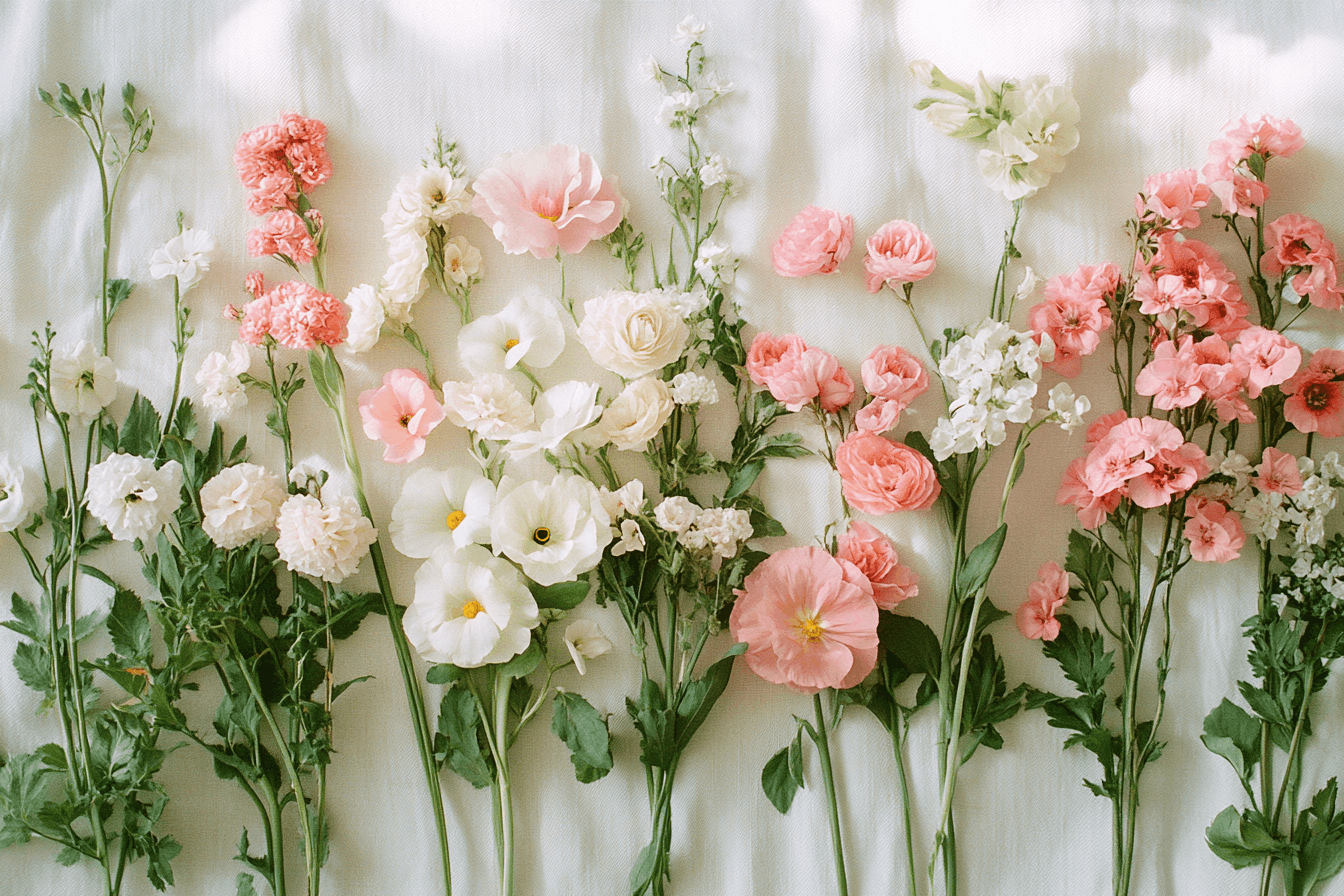
It's a phrase that gets used a lot. On packaging, in marketing copy, across social media captions with tasteful soil-and-seedling photographs. Regenerative. And if you've ever wondered what it actually means — whether it's substance or just shorthand for something vaguely wholesome — that's a fair question to ask.
We ask it of ourselves, too.
The short answer
Regenerative farming is agriculture that goes beyond doing less harm. The aim is to actively improve the land: to leave soil healthier than you found it, to build biodiversity rather than simply not destroying it, to grow food — or in our case, flowers — in a way that works with natural systems rather than against them.
It sits further along a spectrum than organic farming, though the two share a great deal of common ground. Organic is broadly about what you don't use. Regenerative is about what you're actively building.
The word comes from soil science, and that's probably where it's most meaningful. Healthy soil isn't just dirt. It's a living system — billions of microorganisms, fungi networks, worm activity, root chemistry — and conventional agriculture, which relies heavily on synthetic inputs and mechanical tillage, tends to deplete it over time. Regenerative practices try to do the opposite.
What it looks like in practice
There's no single certification or fixed rulebook, which is part of why the term gets used loosely. But the principles tend to cluster around a few core ideas.
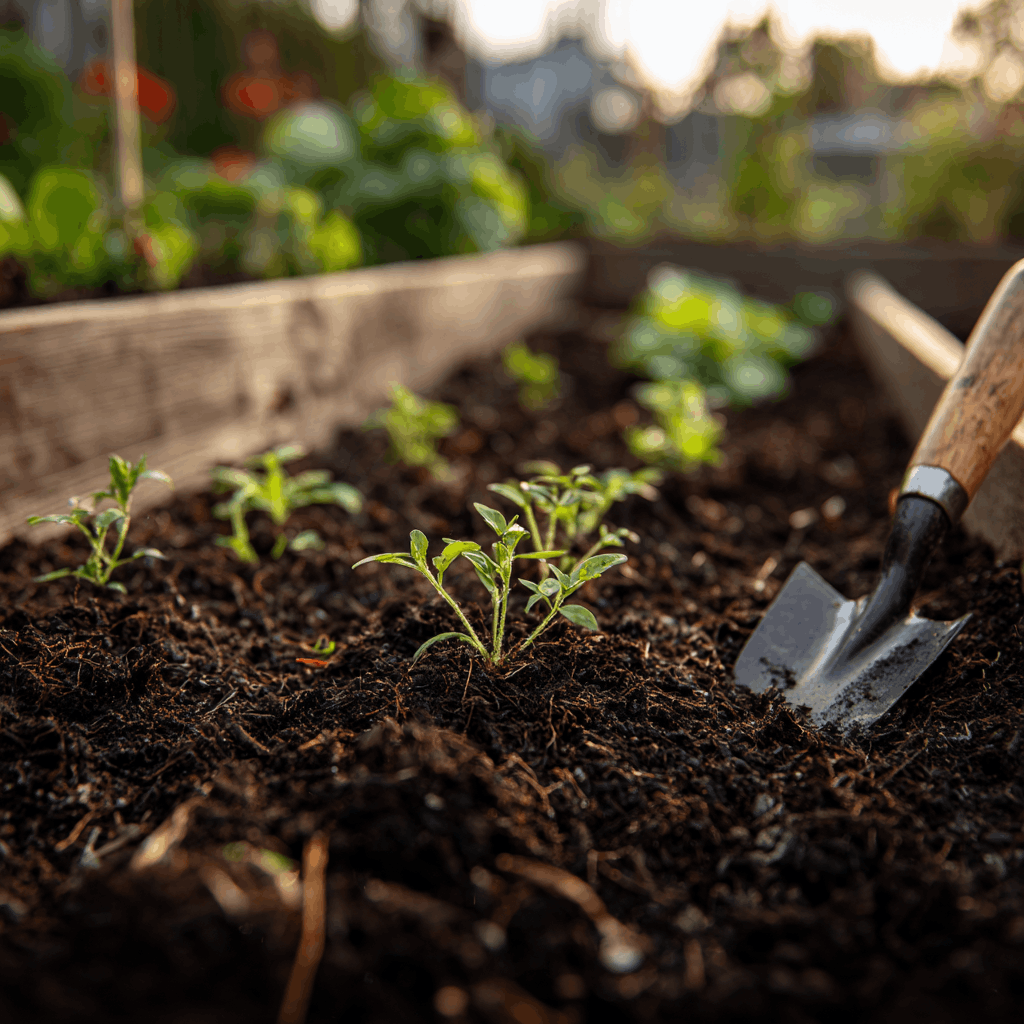
Minimal disturbance. Ploughing disrupts soil structure and releases stored carbon. No-dig and low-till approaches try to protect that structure by working around it rather than through it.
Keeping soil covered. Bare ground loses moisture, erodes, and gives weeds a running start. Cover crops, mulching, and close plant spacing all serve the same purpose: keeping the soil blanketed and biologically active between growing seasons.
Building organic matter. Compost, green manures, plant debris returned to beds rather than removed — these feed the microbial life that makes soil fertile.
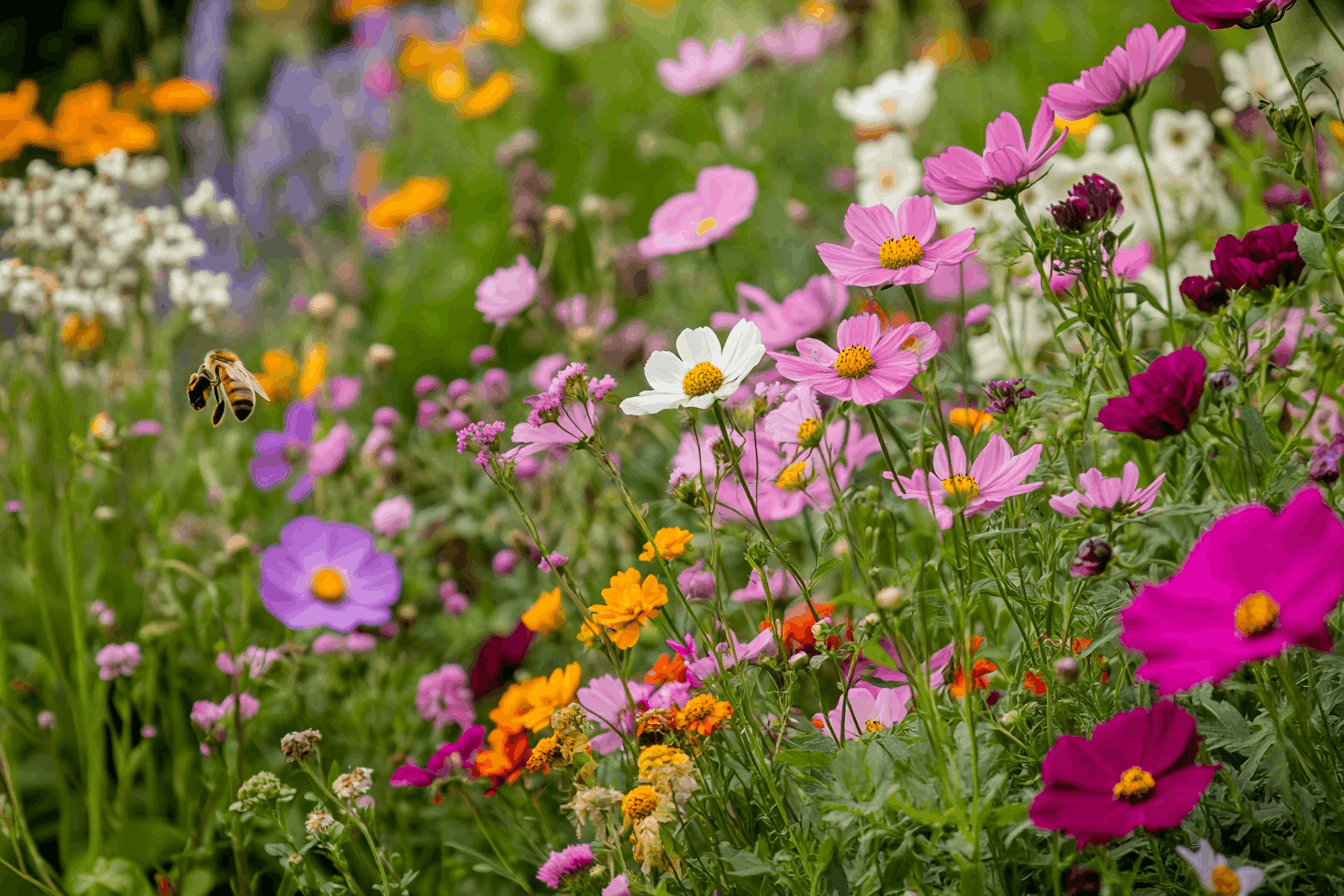
Diversity. Monocultures — growing the same crop in the same ground year after year — are efficient but fragile. Mixed planting, crop rotation, and habitat margins support a broader ecosystem of insects, beneficial organisms, and soil microbes.
Closing loops. Rather than buying fertility in, the aim is to generate it on-site. That might mean keeping animals to produce manure, composting all waste, or growing your own green manures.
Where we sit with it
Here in the Clogher Valley, we're a first-year commercial farm on just over four acres, and we're not going to claim a label we haven't fully earned yet.
What we can say is that these principles shape every decision we make. We're a no-dig farm. Our beds are mulched, our compost pile is permanent, and we don't use synthetic herbicides or pesticides. We grow over 140 varieties of annual flowers plus an extensive dahlia collection — that diversity isn't just a grower's indulgence, it genuinely supports a more complex ecosystem than a few acres of single-species planting ever would.
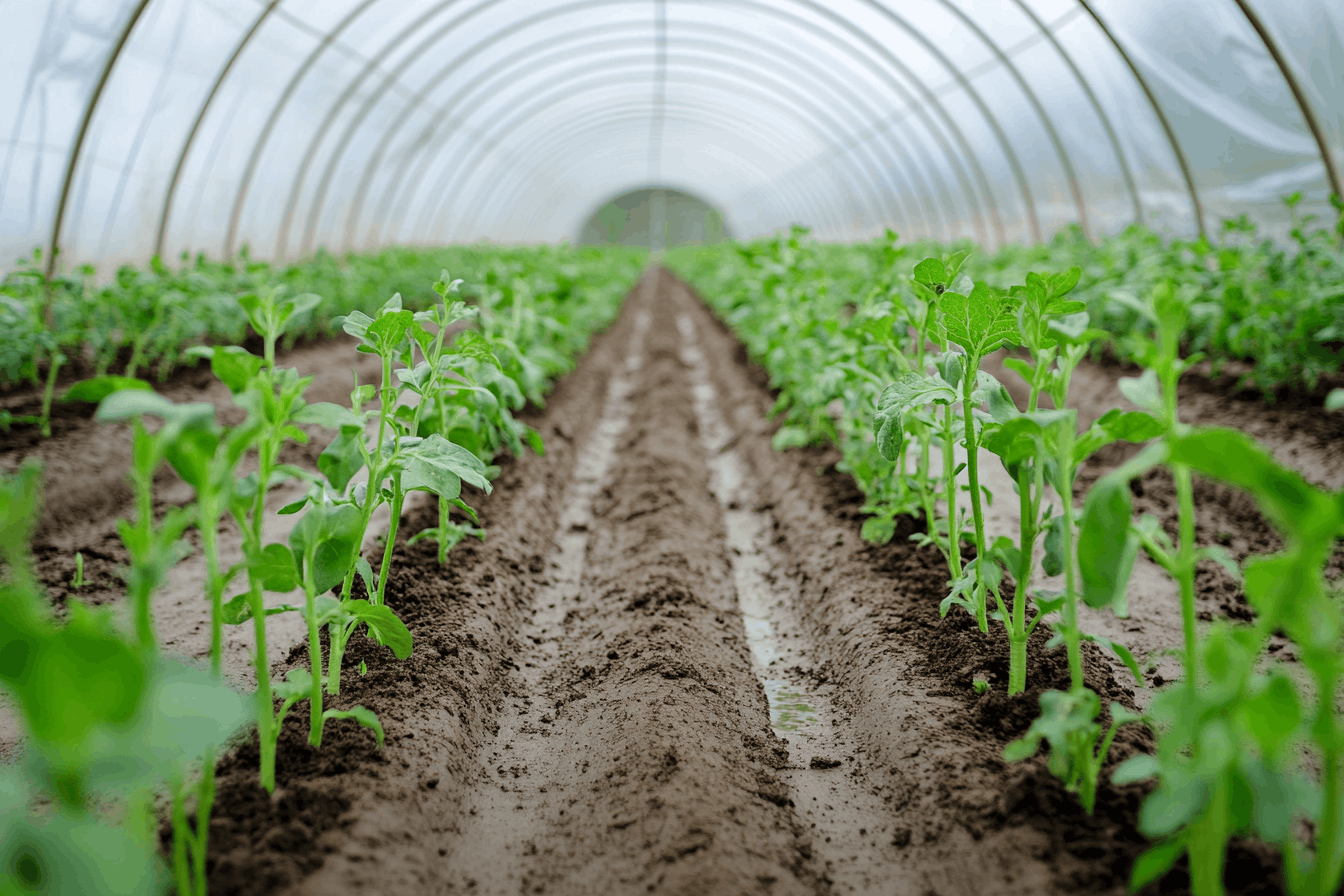
Our polytunnel means we can extend the season at both ends without chemical forcing. Our seed list leans heavily toward open-pollinated and heritage varieties, which matter to biodiversity in ways that F1 hybrids often don't. And perhaps most importantly, we're paying attention — keeping records, learning from what the land tells us, and adjusting as we go.
Regenerative farming isn't a status you arrive at. It's a direction of travel.
Why any of this matters to your flowers
Here's the honest version of what the connection looks like.
Flowers grown in healthy, biologically active soil tend to have stronger stems, better fragrance, and longer vase life. The plant is doing what it evolved to do, rather than being propped up by synthetic inputs. That's not marketing — it's just plant biology.
Beyond the individual stem, buying from a regenerative or near-regenerative farm is a vote for the kind of land use you want to exist in your area. The Northern Irish countryside is beautiful, and it's also under significant pressure — from intensive agriculture, from drainage, from habitat loss. A diversely planted cut flower farm that's actively building soil health and supporting insect life is doing something genuinely useful with that land, even in its modest way.
And there's something else worth saying: when you buy flowers from a local grower, you're not just purchasing stems. You're keeping land in active cultivation by people who live in it, think about it, and answer for it — not as an abstraction, but as the field out the back window.
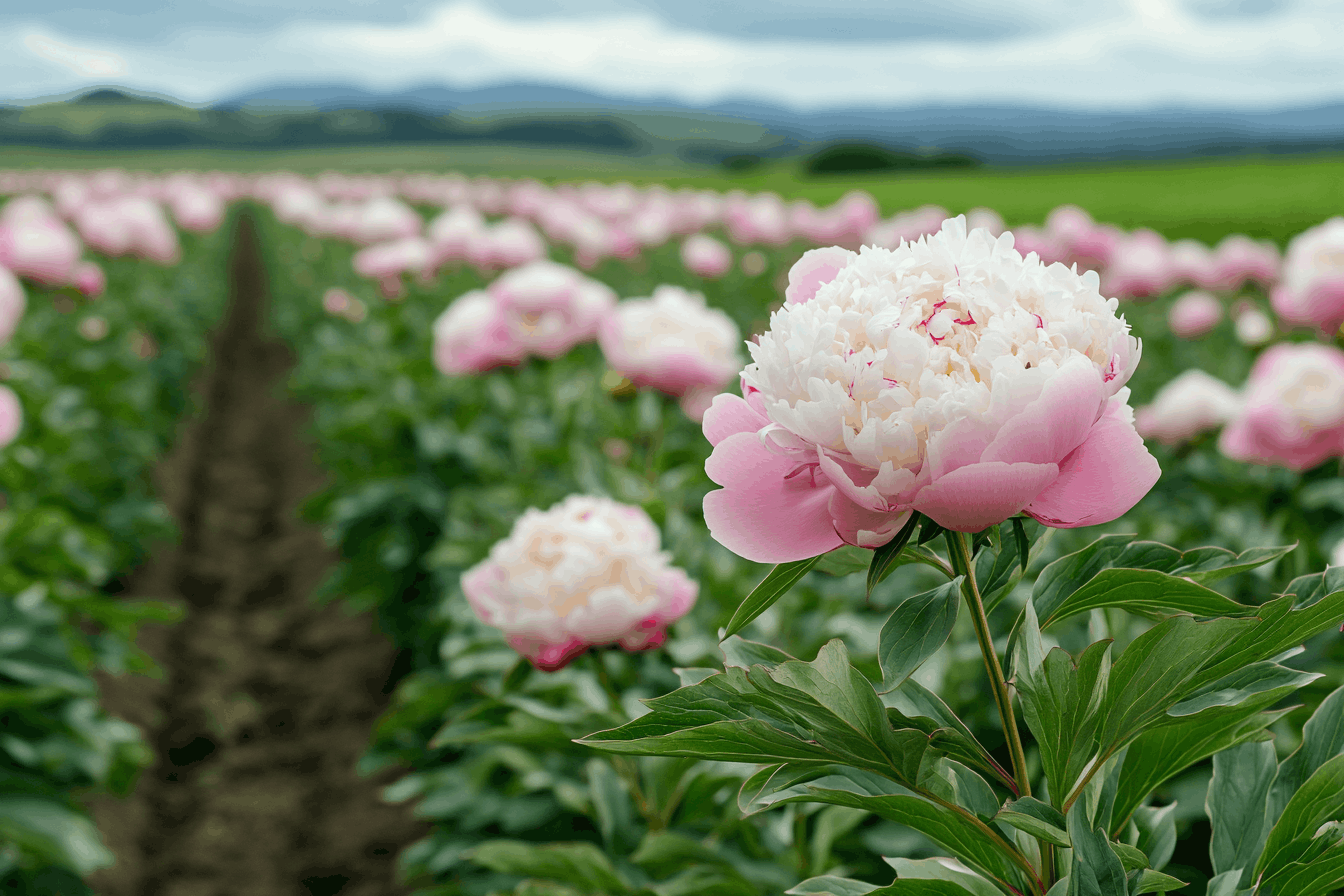
The peony question
People sometimes ask why we're so invested in our peony beds, given that they won't reach full productivity for a few more years.
The answer is partly commercial — peonies command prices that reflect their relatively short season and the time it takes to establish a planting — but it's also a regenerative argument. Peonies are perennials. Plant them once, and they'll improve in the same ground for decades, without the annual disturbance of resowing and re-establishing. The deep root systems do real work in the soil. The flower is extraordinary.
Building something that gets better over time, that repays patience, that compounds rather than depletes — that feels like the right kind of farming to us.
Coming up
We're heading into the busiest weeks of the year: dahlias going in, first harvests beginning to come through, the farmers' market season just around the corner. If you'd like to follow along, you can find us here on the blog, or on Facebook where we share what's happening in the valley most weeks.
If you're a florist or event planner thinking about sourcing locally — our welcome pack has all the detail on what we grow and how wholesale works. Just drop us a line at hello@darlingflowerfarm.co.uk.
Darling Flower Farm is a small commercial cut flower farm in the Clogher Valley, Co. Tyrone. Notes from the Valley is where we write about growing, gathering, and the slow turn of the year.
